
The Future of Luxury Design: Trends Shaping 2025 and BeyondBody
- Zelda Jones

- Nov 24
- 2 min read
Design trends in 2025 are being shaped by a unique blend of technology, sustainability, and a renewed appreciation for craftsmanship. Whether in architecture, interiors, or product design, consumers are gravitating toward styles that reflect comfort, longevity, and personal expression. As global lifestyles shift, design philosophies are becoming more human-centric, focusing on how spaces and products actually support the way we live day to day.
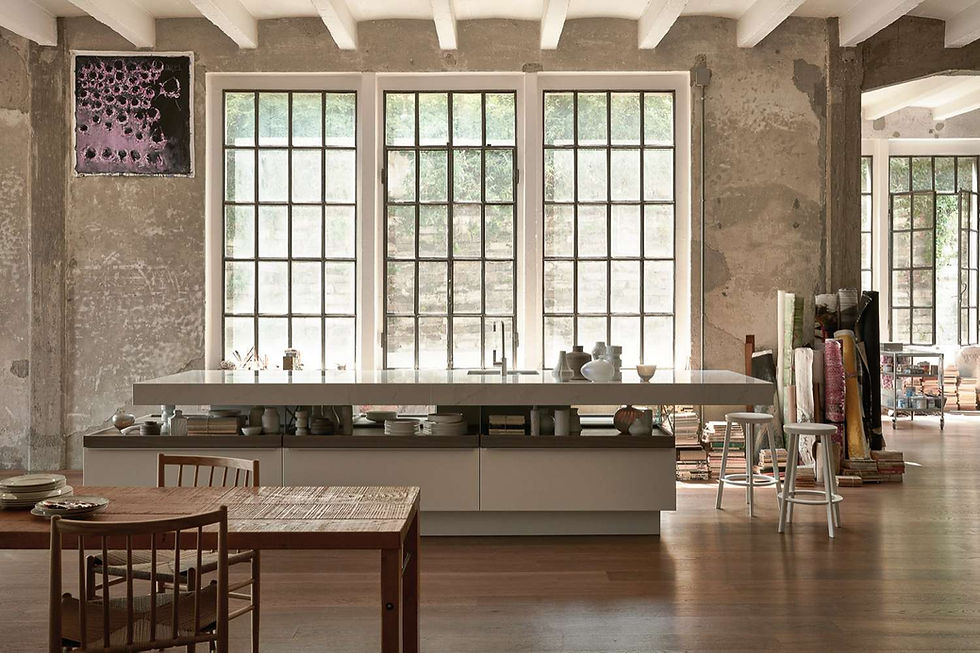
One of the most prominent changes we’re seeing is the rise of warm minimalism. Unlike the stark minimalism of the early 2010s, today’s approach incorporates softer colour palettes, textured materials, and subtle layers that create depth without clutter. Homeowners and designers are embracing natural stone, raw timber, and soft textiles that bring warmth while maintaining a clean, timeless aesthetic.
Technology also continues to play a major role. Smart systems are becoming much more intuitive, integrating seamlessly into homes and workspaces without the cold, futuristic feel that used to accompany high-tech interiors. Intelligent lighting, voice-controlled utilities, automation apps, and energy-monitoring tools all contribute to a more personalised living environment. These technologies are no longer luxuries—they’re becoming essentials for convenience, sustainability, and efficiency.
Sustainability is another key driver of design decisions in 2025. Consumers are far more conscious of where materials come from, how they’re made, and what environmental impact they leave behind. As a result, recycled, reclaimed, and low-carbon materials are growing in popularity. Brands that prioritise transparency and eco-friendly production methods are seeing increased demand. This shift is influencing everything from furniture design to large-scale architecture, where energy-efficient systems and eco-certified materials are now expected.
Personalisation is also a growing priority. People want their spaces and products to reflect their individual tastes, routines, and values. Custom-built solutions—whether bespoke joinery, tailored décor packages, or personalised digital setups—allow consumers to create environments that truly feel like their own. This emphasis on individuality is pushing designers to offer more flexible and adaptable options.
The future of luxury design blends technology, sustainability, craftsmanship, and personalisation. The result is a style movement that prioritises wellbeing, longevity, and meaningful connection to the spaces we use every day.



Comments