
Open-Plan vs. Broken-Plan Layouts: Choosing the Right Flow for Your SpaceBody
- Zelda Jones

- Nov 25
- 1 min read
Choosing the right layout is one of the most important decisions when designing or renovating a space. The popularity of open-plan living has dominated design conversations for years, but in recent times, broken-plan layouts have gained momentum as homeowners seek more flexibility and privacy.
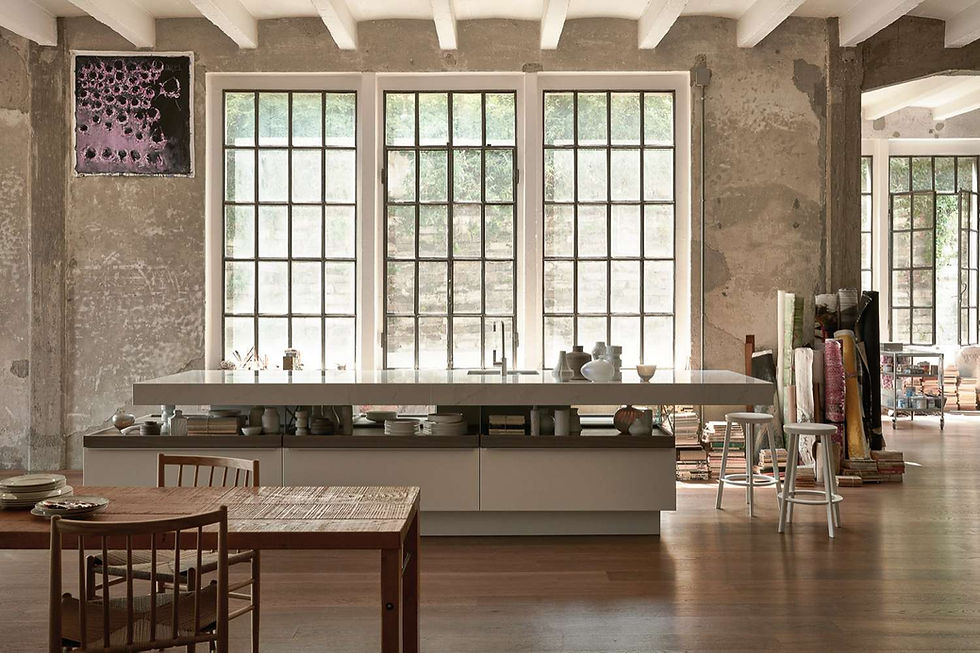
Open-plan layouts remove walls to create a large, unified space—typically combining living, dining, and working areas. This approach maximises natural light, encourages social interaction, and creates an airy, spacious environment. For families, it allows parents to supervise children while cooking or working. For entertainers, it provides a seamless flow between gathering areas.
However, open-plan designs aren’t without challenges. Noise travel, cooking smells, and lack of privacy can be difficult to manage. This is where broken-plan layouts emerge as a compelling alternative.
Broken-plan spaces maintain openness while introducing subtle separations. Partial walls, glass dividers, floor-level changes, or strategically placed furniture can define areas without completely closing them off. This creates zones for different activities while preserving a sense of connection.
The best option depends on lifestyle. People who love socialising and open sightlines may prefer an open plan. Those who value designated functional areas, quiet zones, or hybrid working spaces might lean toward broken-plan layouts.
Both styles offer unique advantages—and selecting the right one can dramatically improve comfort, functionality, and long-term enjoyment of your space.


Comments